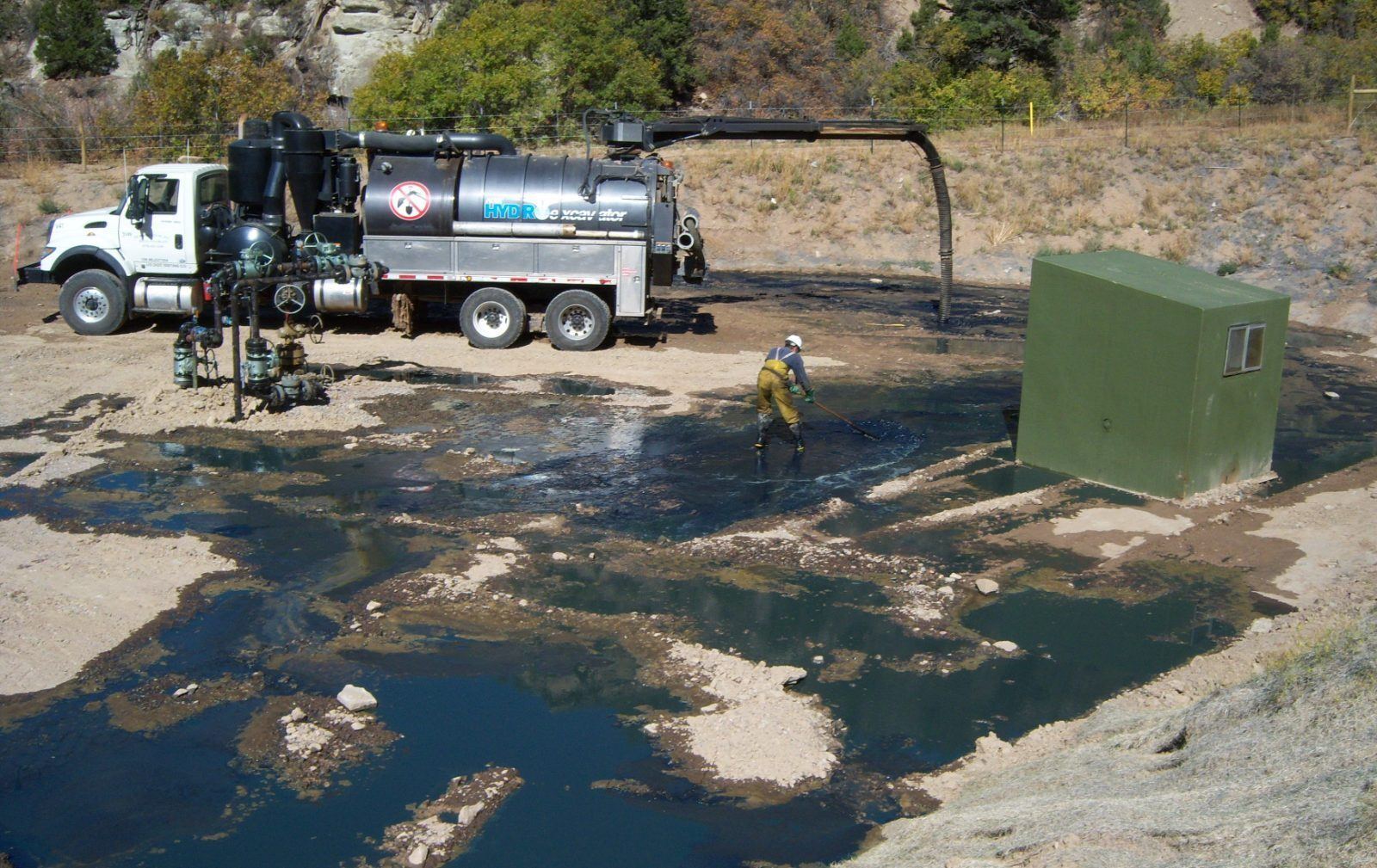

Emergency Spill Response Line: 970.243.3271

Stormwater & Reclamation

Permits, inspections, and the crews who actually build the controls.

Stormwater compliance is a paperwork problem right up until the inspector walks the site — then it’s a field problem. HRL handles both: the permits, plans, and inspections that keep you compliant, and the crews who install and maintain the controls on the ground. Oil and gas, mining, construction, transportation, and recreation, at federal, state, and county level.

Industries We Serve

Oil & Gas

Mining

Construction

Transportation

Recreation

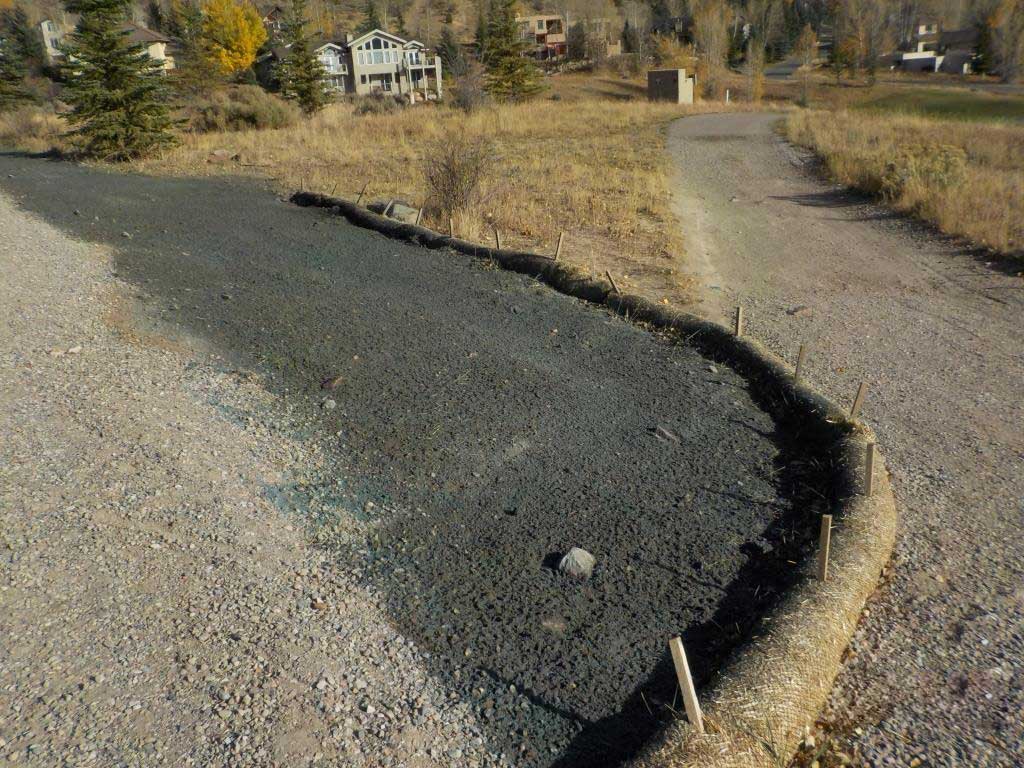
stormwater-bmp-sediment-control-wattles

Inspections & Program Management

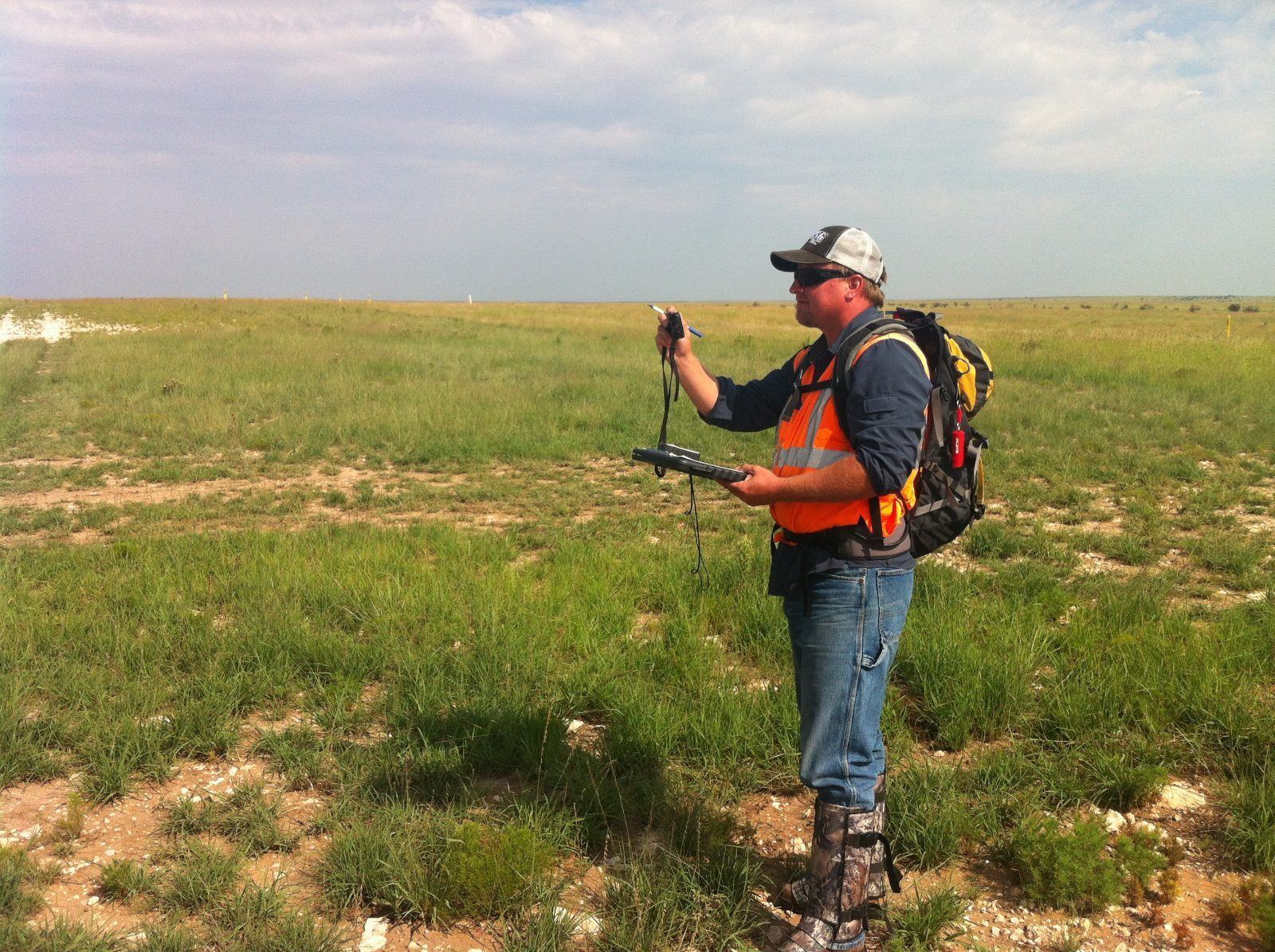
HRL has completed hundreds of stormwater compliance inspections — well pads, compressor facilities, pipeline rights-of-way, storage yards, commercial construction, and CDOT projects.

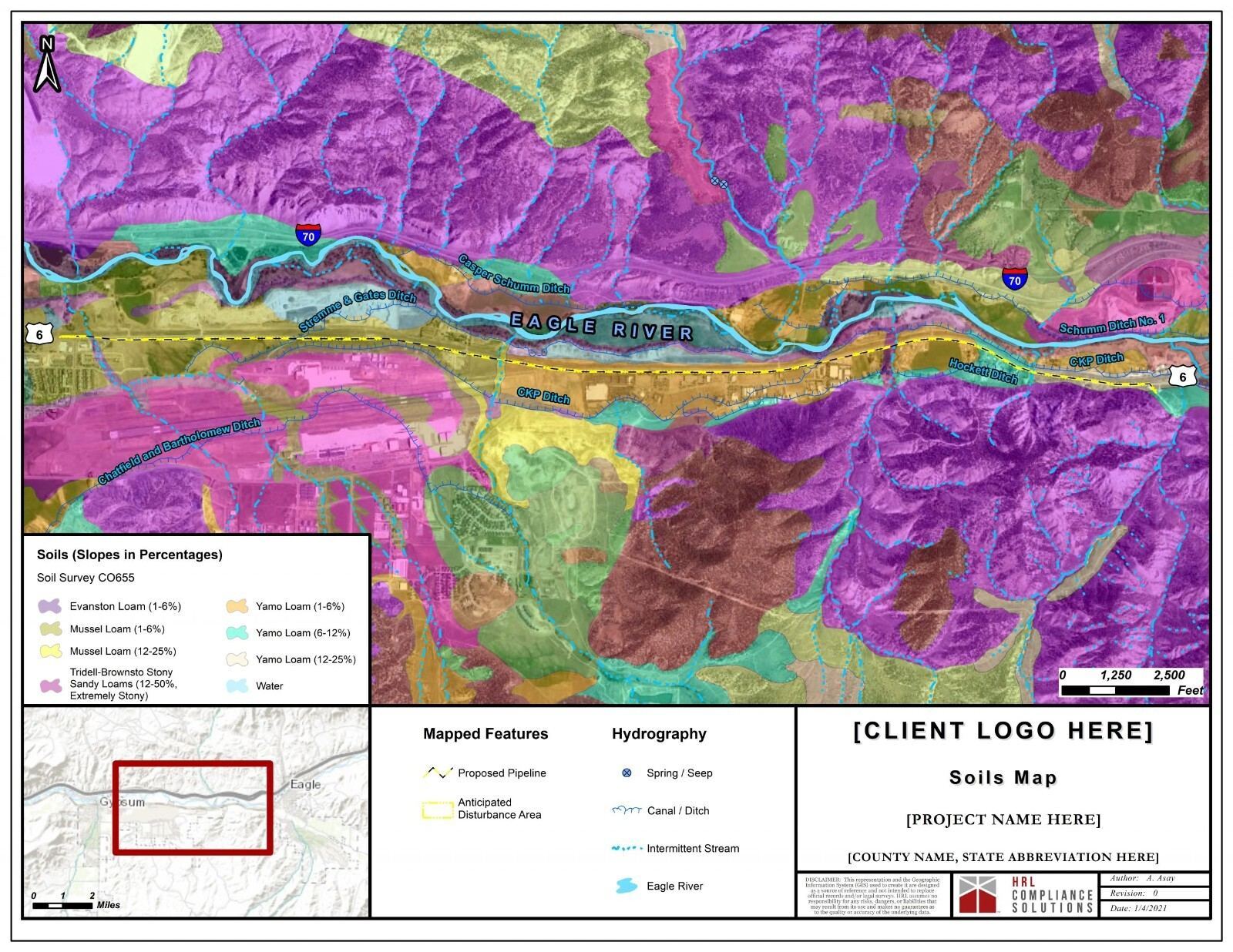
Vegetation and noxious weed monitoring and BMP mapping are maintained in GIS, so your documentation is current when someone asks for it.
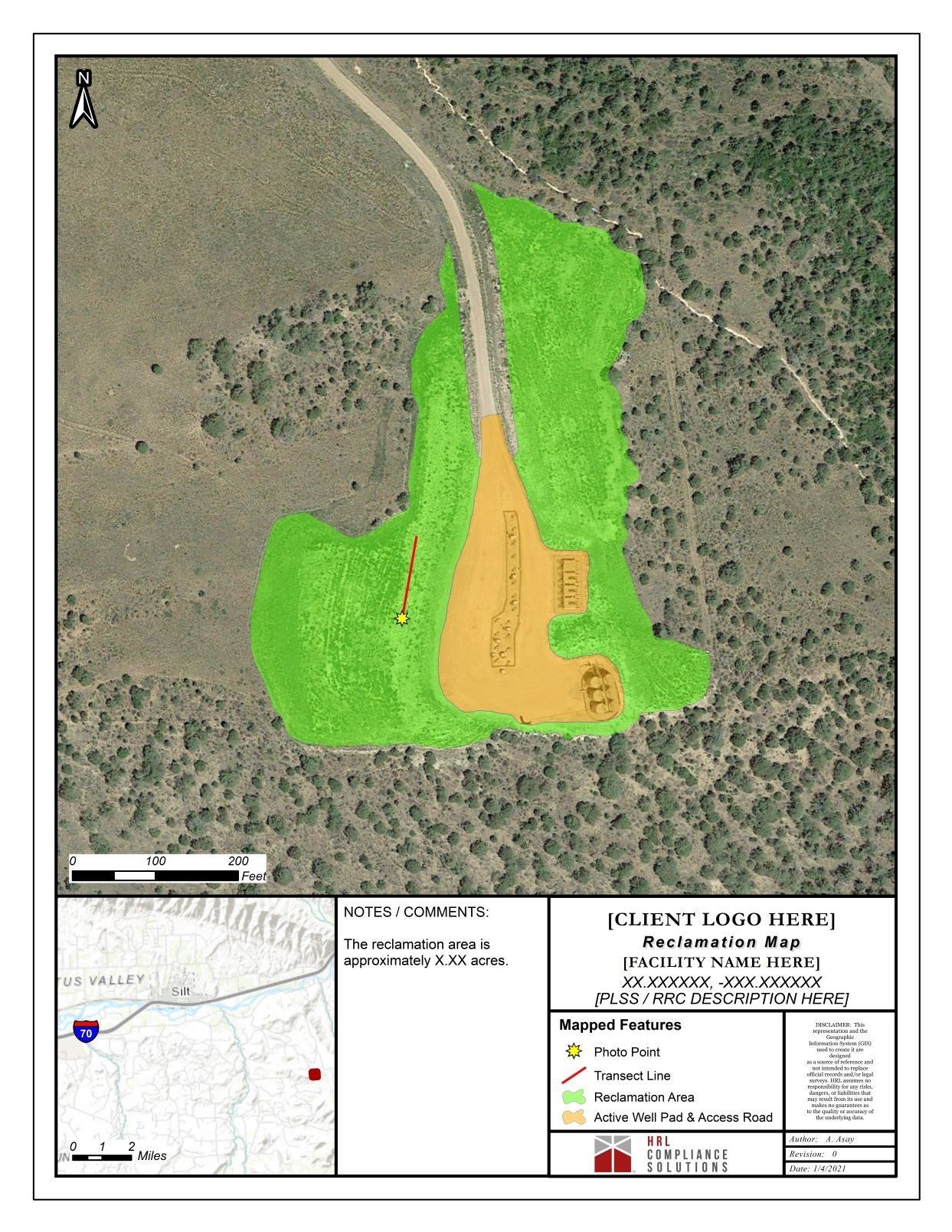
well-pad-reclamation-map

BMPs — Designed and Installed by Our Own Crews

We don’t just recommend controls and leave you to find someone to build them. HRL designs, installs, and maintains BMPs with our own field crews, and handles dewatering design, installation, and operation through construction and precipitation events.

One firm wrote the plan and one firm stands behind what’s in the ground.
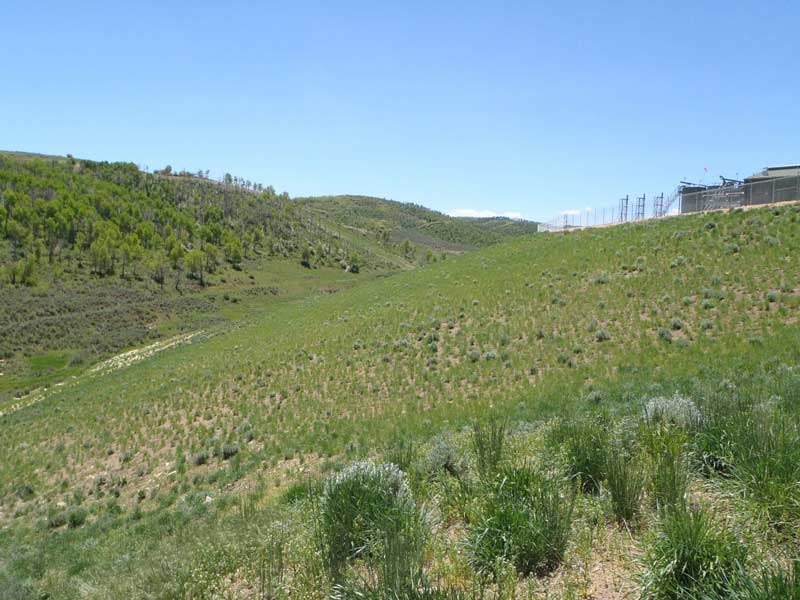
revegetated-slope-reclamation

Reclamation

From reclamation plan through final stabilization: soil amendments, seed mixes, and surface stabilization designed for the specific ecosystem — semi-arid desert to subalpine conifer forest — with landowner and land-manager relationships handled along the way.

HRL has provided environmental oversight for approximately 4,000+ miles of pipeline right-of-way reclamation.

Hydroseed mulch applied to a disturbed slope

Hydroseeding

On large or steep disturbed areas, broadcast seeding doesn’t hold. HRL coordinates hydroseeding — seed, mulch, fertilizer, and tackifier applied as a single engineered slurry that anchors the slope and holds moisture while vegetation establishes.
Stormwater & Reclamation by the Numbers

0 +

Miles of pipeline ROW reclamation oversight [confirm]

0 s

Stormwater compliance inspections completed

0

Levels of permitting: federal, state, county

Frequently Asked Questions

Do I need a stormwater permit for this site?

Usually yes, if you’re disturbing an acre or more of ground — or less than an acre when it’s part of a larger development. The safest read is that if you’re moving dirt or storing materials outdoors, assume a permit applies until someone confirms it doesn’t. We make that determination and handle the filing.

When is hydroseeding better than drill seeding or broadcast?

Drill seeding gives the best establishment rate because it places seed at a consistent depth with real soil contact — when the ground is workable and the equipment can get there. Hydroseeding is the answer when it can’t: slopes too steep to drill, rocky or debris-covered ground, and large areas that need coverage fast. It also does something the other two don’t — the mulch and tackifier hold the soil in place while the seed germinates, so you’re getting erosion control and revegetation in a single pass.

Related Services

Surveys, applications, and agency conversations handled before they become schedule problems.

BMP mapping and field data that keep your stormwater documentation current.

24/7 emergency response and self-performed remediation through closure.

Talk to a Consultant

From the permit to final stabilization — one firm, one contract, one point of contact.